
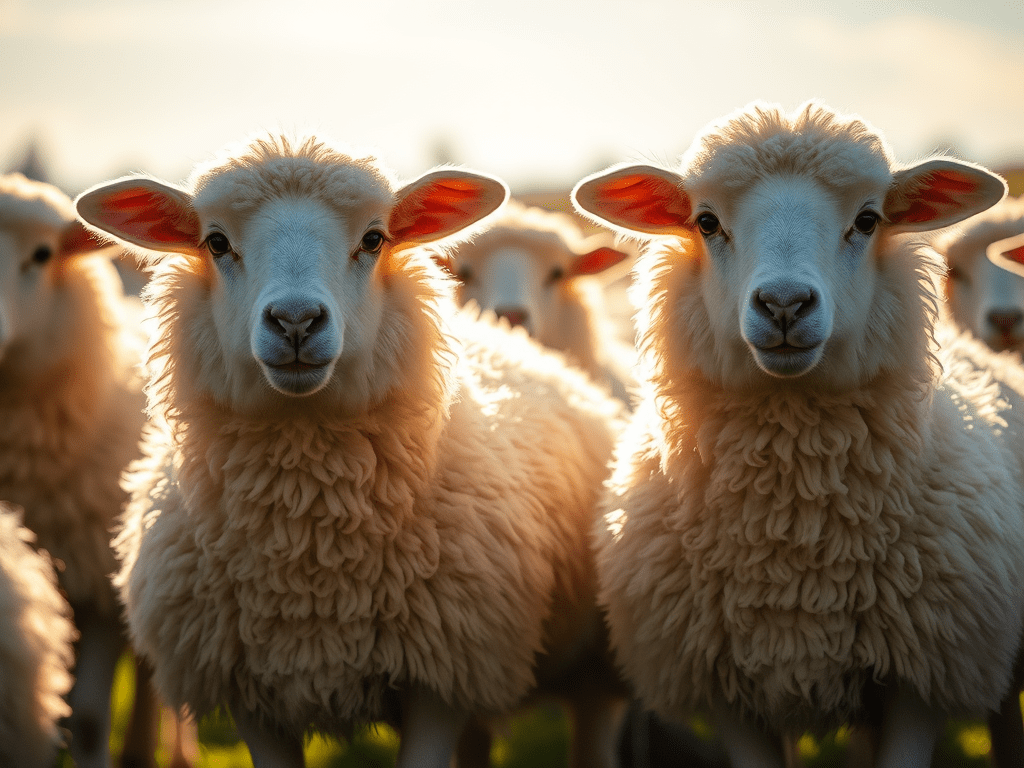
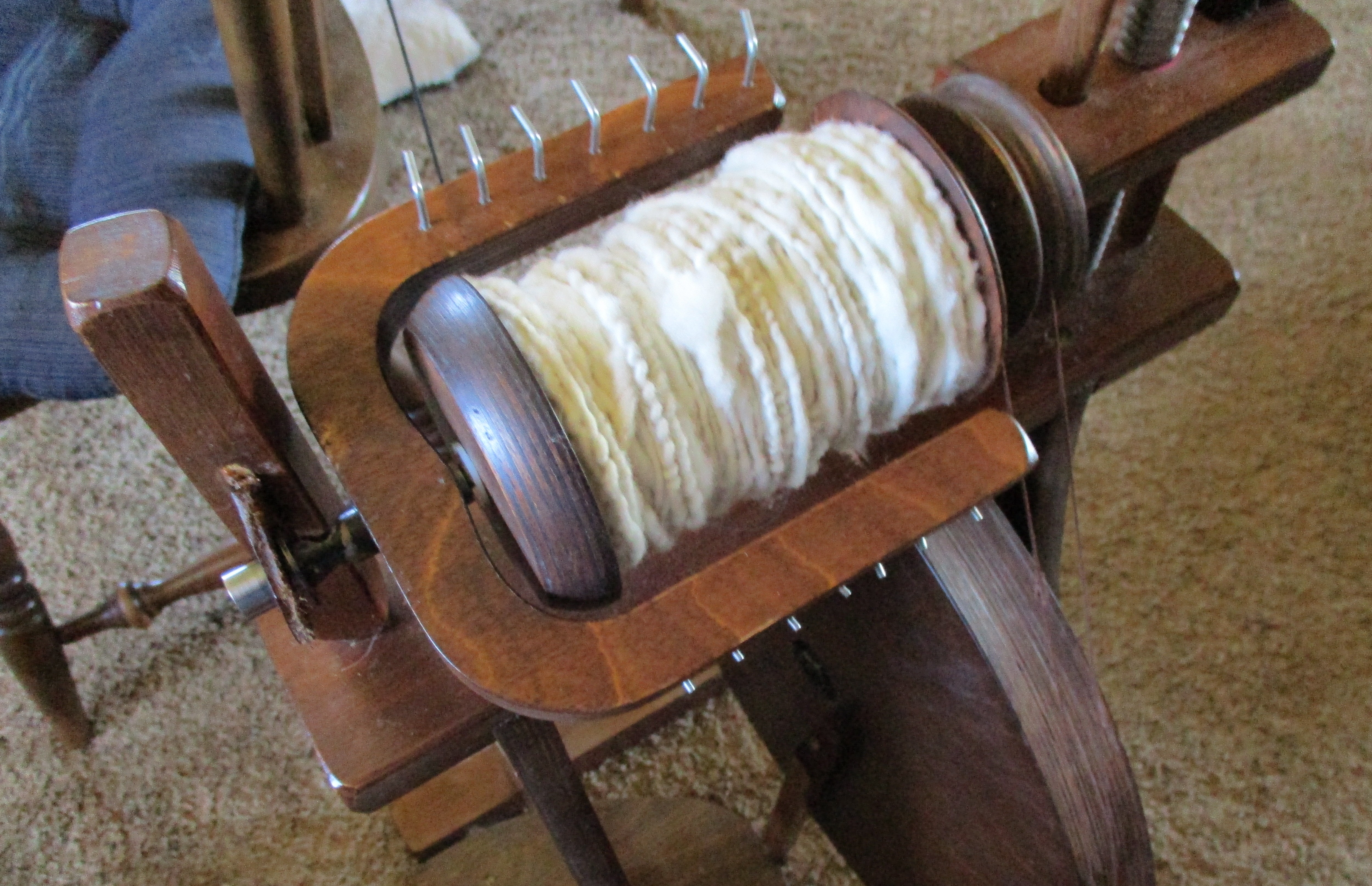
Beautiful Ewes With Their Yarn
Why I Started
I love to work with my hands, I love to work with my animals, and I love to make money! So why not combine them all and do what I love?
I’ve had goats for 20-some-odd years and decided to go a different direction and make money. I still have my goats but now I also have sheep. Sheep are so much easier to keep than goats.
The Beginning
Knitting has been a passion of mine since I was a little girl. When I was about 5 or 6 I received a toy of a woman knitting. It would knit when you wound it up, something like the picture below. Have you ever experienced something like this? Did something from when you were a child end up being what you are doing? Let me know in the Feedback below if it did. What childhood experiences do you use as an adult?
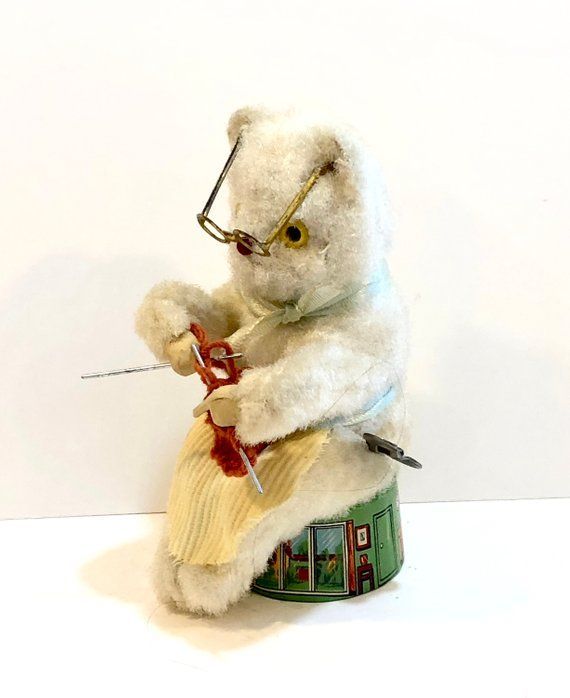
I always wanted to learn how to do what she was doing. It amazed me that those 2 sticks and a ball of yarn produce anything you want.
Experiments Gone Wrong
I figured since I was going to be knitting, I would make my own yarn. Knowing nothing about the process of turning fleece into yarn, I bought four Suri Alpaca females. I then bought 2 beautiful males. They would make some wonderful babies. I loved the Alpaca but I went into it with not much knowledge. All I knew was that they had a beautiful, sustainable fleece and they were Camelids. Oh, and they do spit! The first time I had them sheared the white one, Domino was spitting the whole time. It is green, disgusting, and stinks. I kept her face toward the wall and, boy, did she make a mess. She was mad.

They only have one offspring and their gestation is eleven months. The fleece is very soft and long. The animal, like a horse, loves to roll in everything. Not what you want if you are using the fleece. Alpacas do not herd well either. They are more like quail than sheep in that department. I wasn’t really set up to keep alpacas in a clean area. They ended up being a lot more work than I was ready to do. I ended up selling them. Sometimes learning is more painful than you want.

They would always roll in anything. Dirt baths were their favorite.
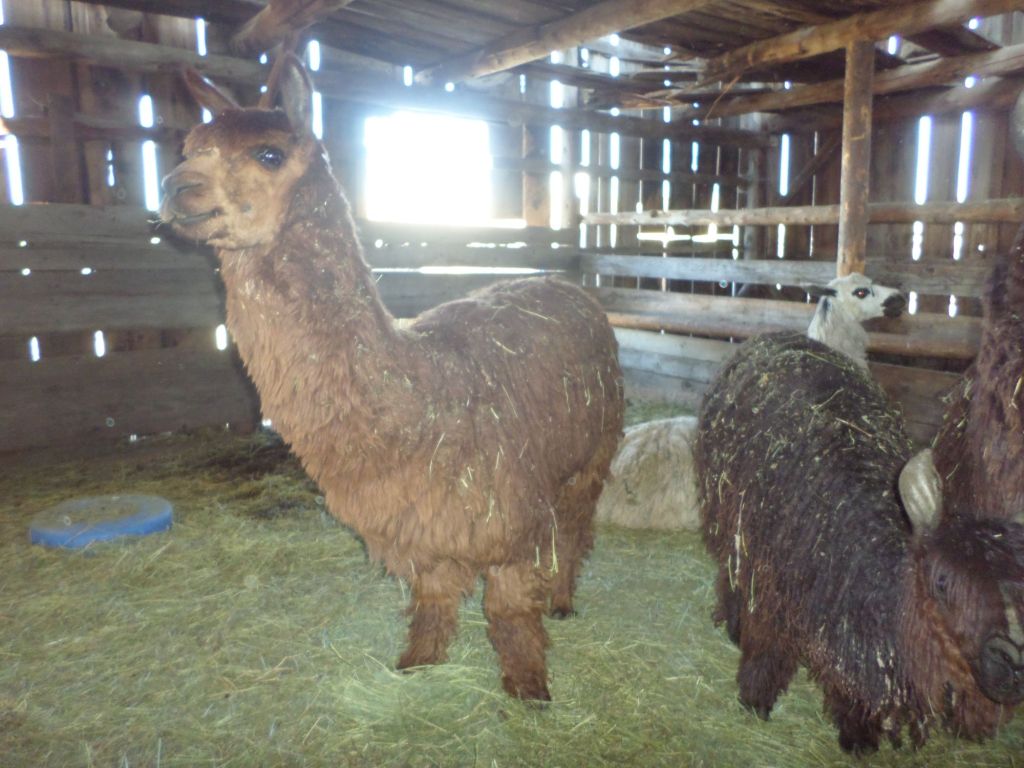
My dirty girls!

These are the Alpaca locks. Very long and fine.
After fighting with cleaning the fleeces I decided sheep would be a better fit.
Sheep Come Home
A few weeks later, I started doing research. I wanted to find out what breed of sheep would best fit my likes, area, and wool production. Also, how many to keep. The one great thing about white sheep is you can dye the fleece any color you want to work with.
I went to a local sheep rancher and bought four Rambouillet ewe sheep and a Dorset ram. I was in heaven. A month later I found four more lambs for my herd and bought them. One ended up being a wether lamb so he was sold. Now I had my herd. And, yes, you can get sheep-poor fast. So beware!
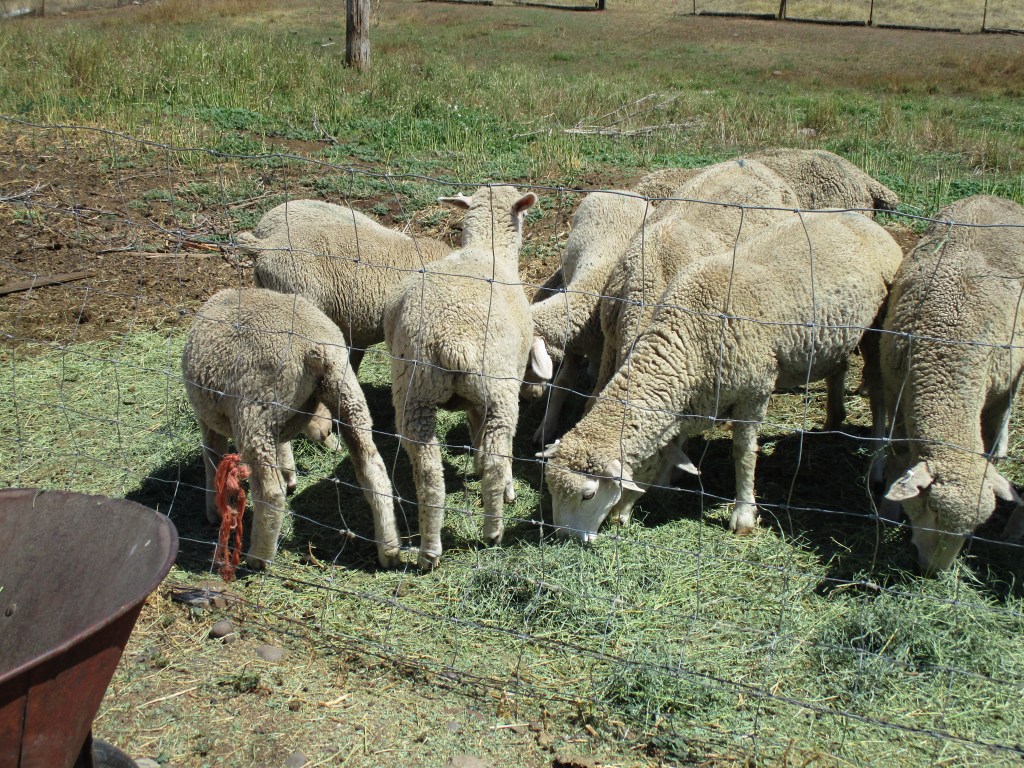
My new girls!


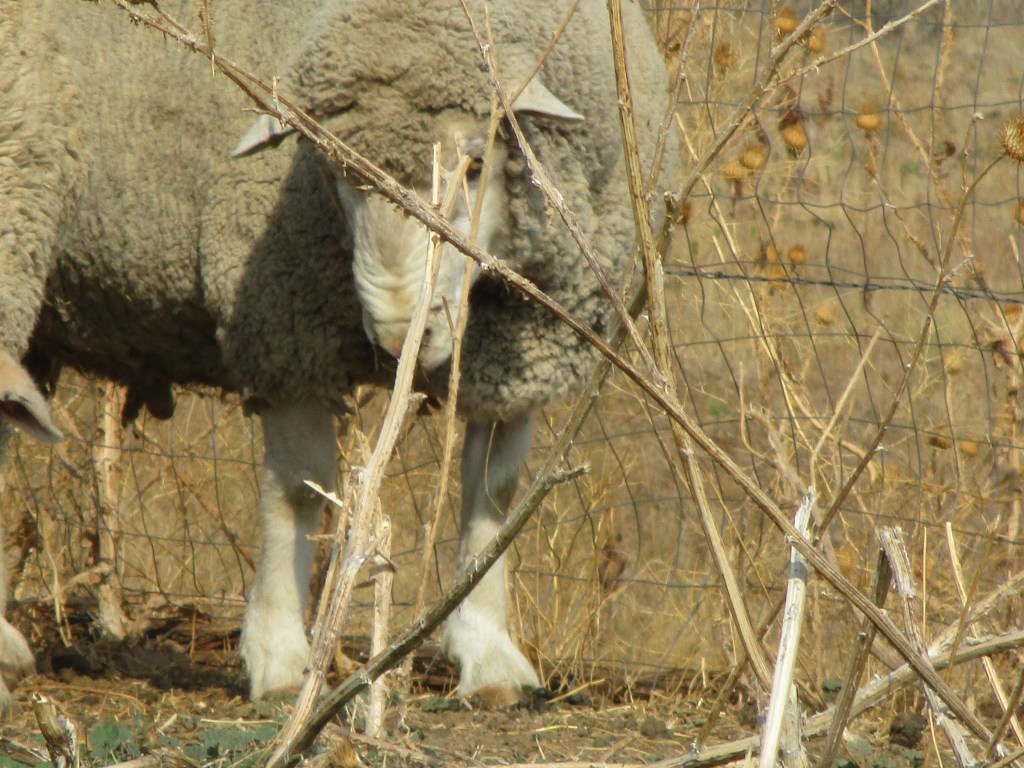
Mr. Wrinkles – The Ram
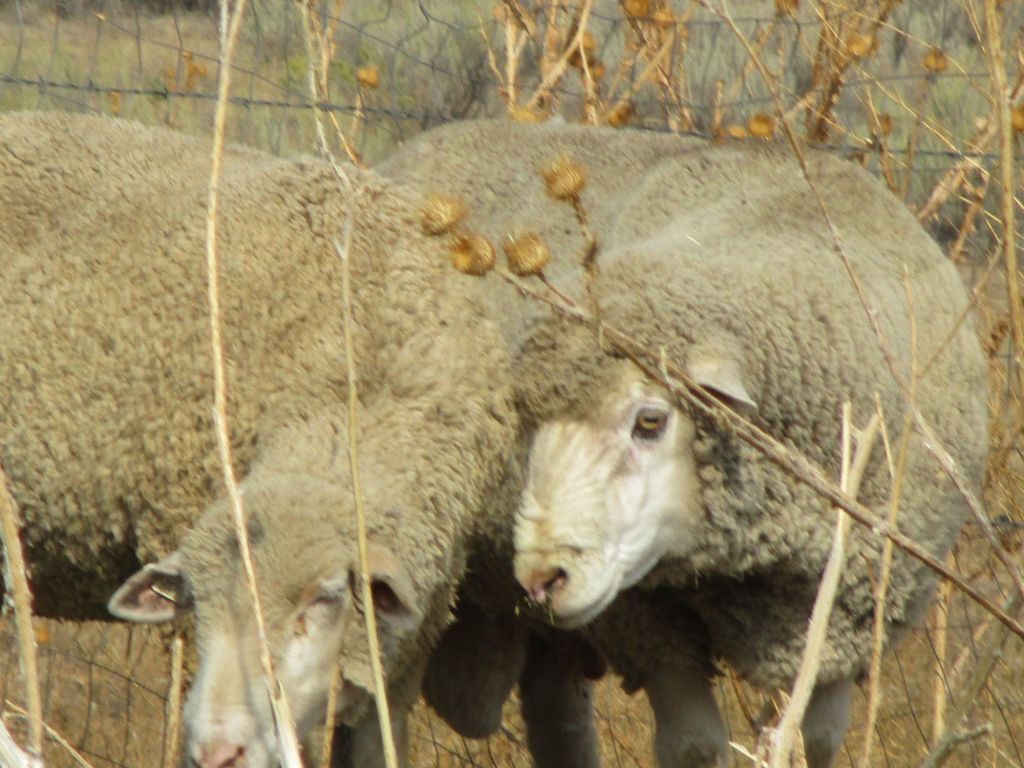
I was so excited to have these sheep. The outlook of having my own wool thrilled me. There was the added bargain of having lambs as well. I had no trouble selling the lambs.
Knitting and working with wool gives me a wonderful feeling. It’s such a peaceful feeling. Even when cleaning stalls, or stomping through the mud, you know this is life. A very significant life. It is also a great connection to our past and provides ways to continue with these techniques in the future. Knowing how to take a product like sheep, raise it, and sheer it is a valuable skill. Transforming that newly produced material into a wearable garment connects us to our ancestors and their way of living. Knowing you will never be without a food source, clothing, or household items is a great secure feeling. Now, how do you do this? Well, follow me, and I will explain. First, let me explain a little bit about the history of sheep and their wool.
A Little Bit Of A Condensed History
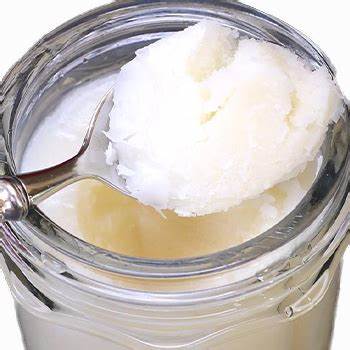
According to the International Wool Textile Organization, humans have worked with wool since 10,000 BCE. They’ve been weaving, washing, and wearing wool for thousands of years. Even using the skins. They have used wool for carpets, textiles, and decorations. The sheep produce meat, milk, lanolin, tallow, skins, and wool.


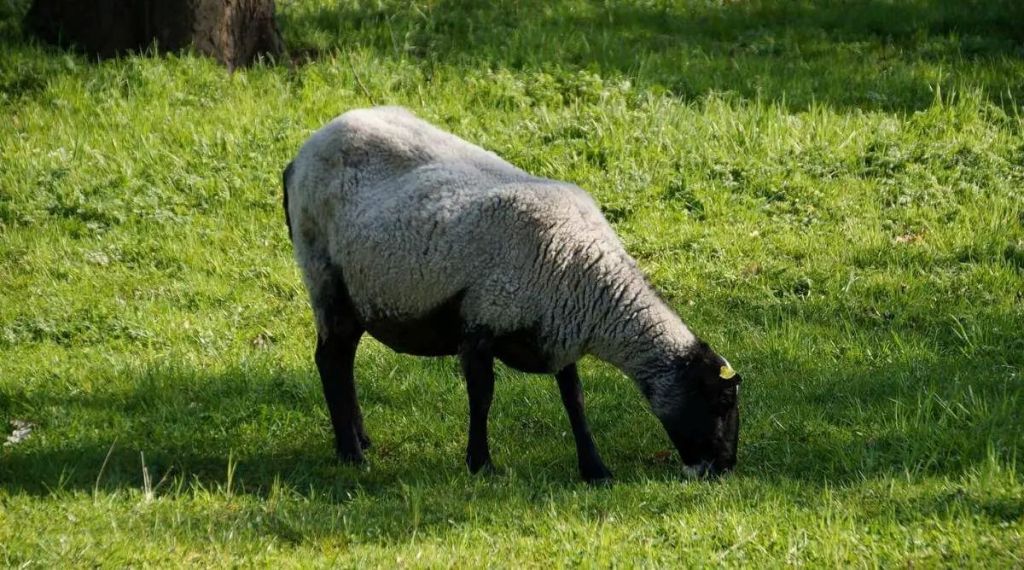
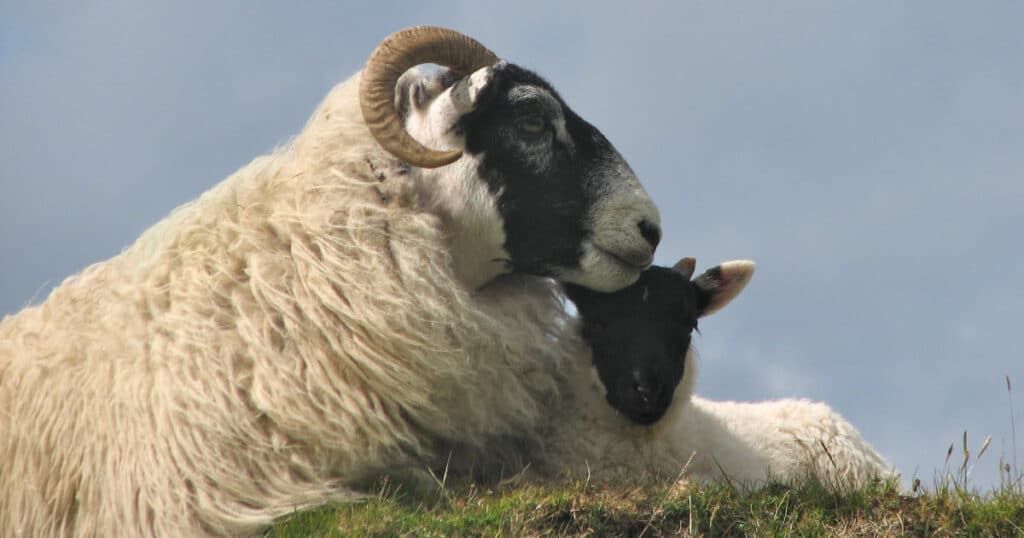
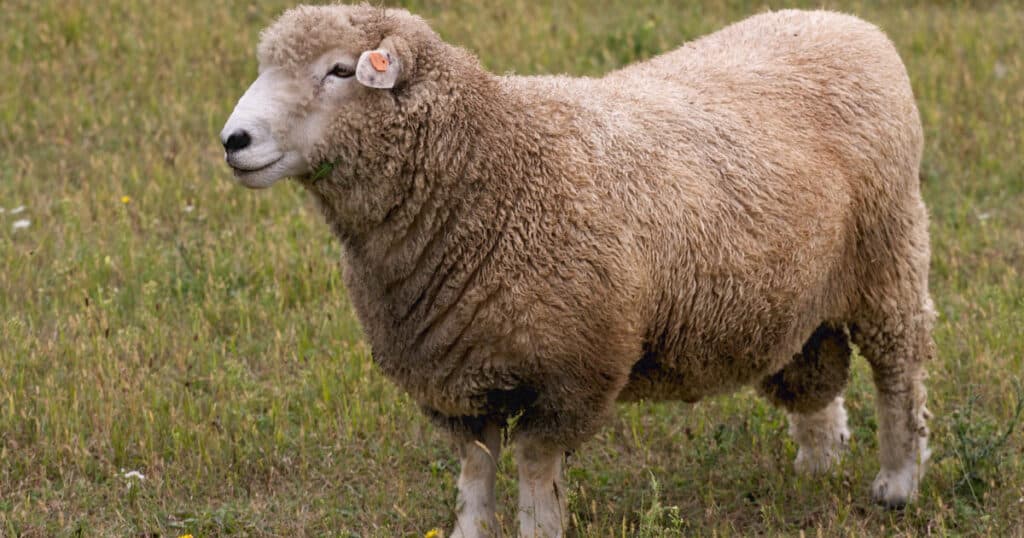
There are 1,000 breeds of sheep to afford a breed for any climate, terrain, or use. The most popular breeds for garment use are Merino and Rambouillet. The Romney, Scottish Blackface, and Suffolk are used primarily for interior textiles, décor, and carpets. Don’t be held back by their uses. These are just suggestions of what most people prefer. If you love a breed, you love a breed.
Many endangered and rare breeds are out there in need of bringing their numbers back. They are something to consider when looking at breeds. Some include: Navajo-Churro, Jacob, and Florida Cracker. There are also Teeswater, Romeldale, and Barbados Blackbelly. Many more are listed according to the The Livestock Conservancy.

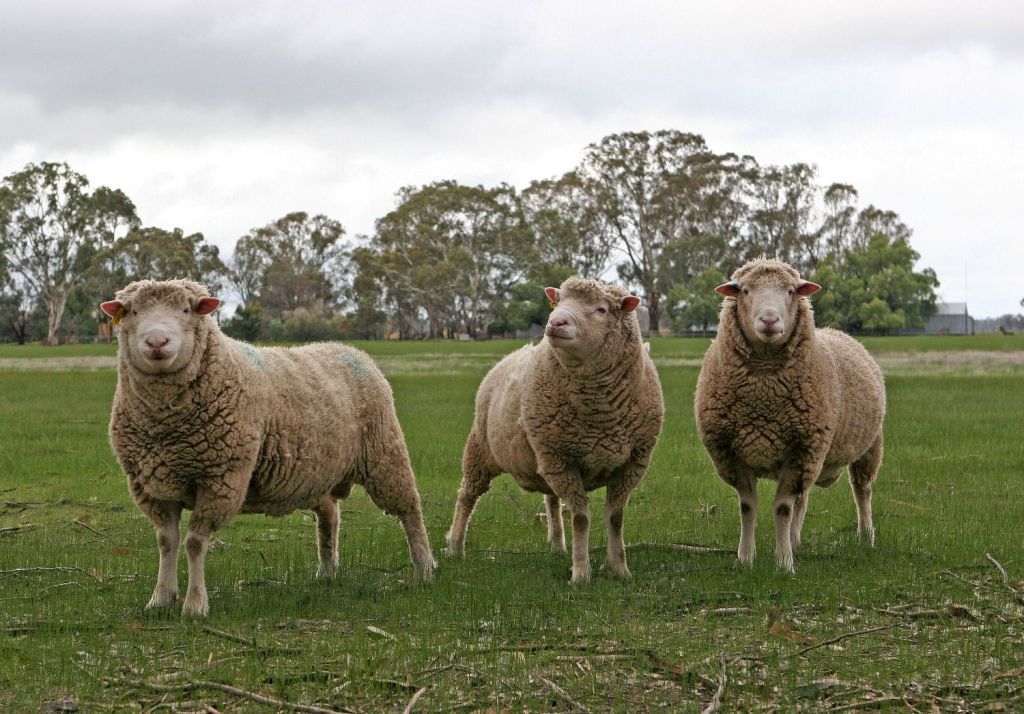
Ancient Sheep
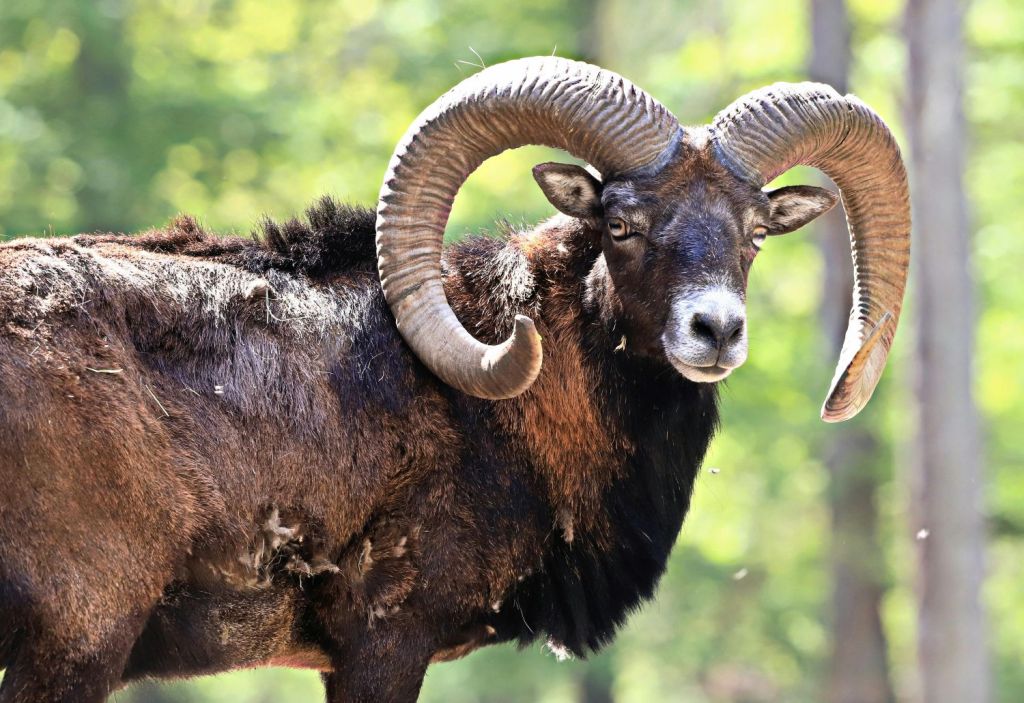
Ancient sheep looked nothing like the sheep we have now. The original sheep, the Mouflon, as it was known, were hairier and brown and shed their hair in the spring. Finally, as humans began to raise, and shear them, the fleece slowly evolved into wool. During this evolution, the fleece changed from a rough all-brown hair that was shed. You can see this on the Mouflon sheep pictured above. It later transformed into soft white wool sheared in one large piece. (See below)
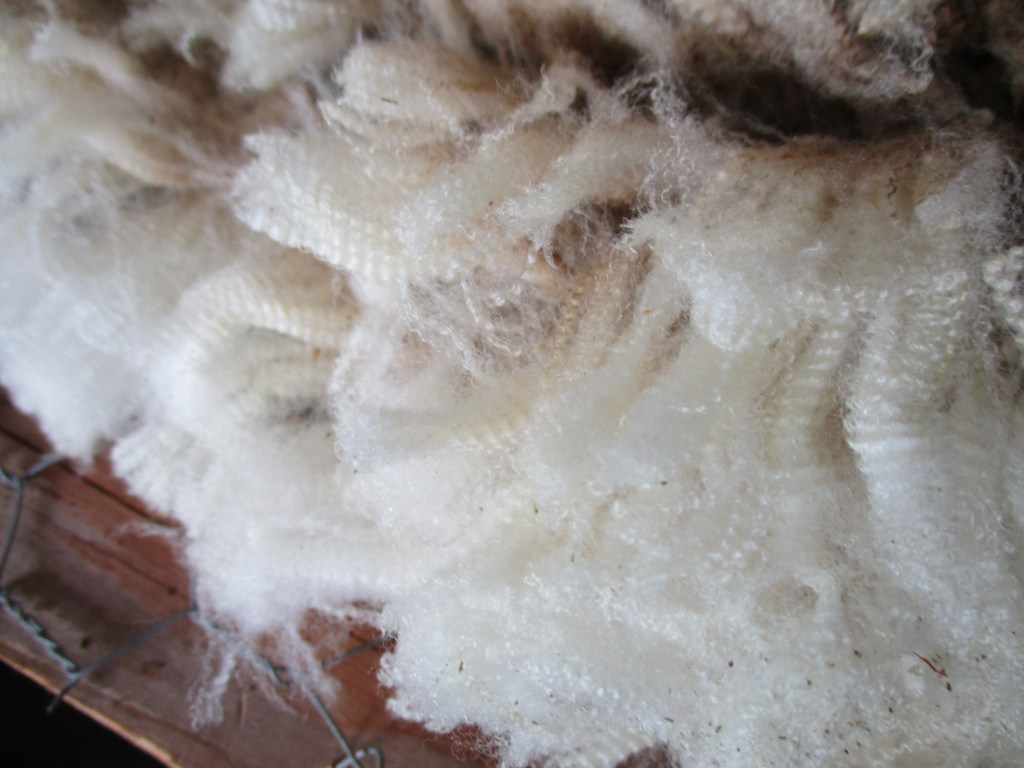
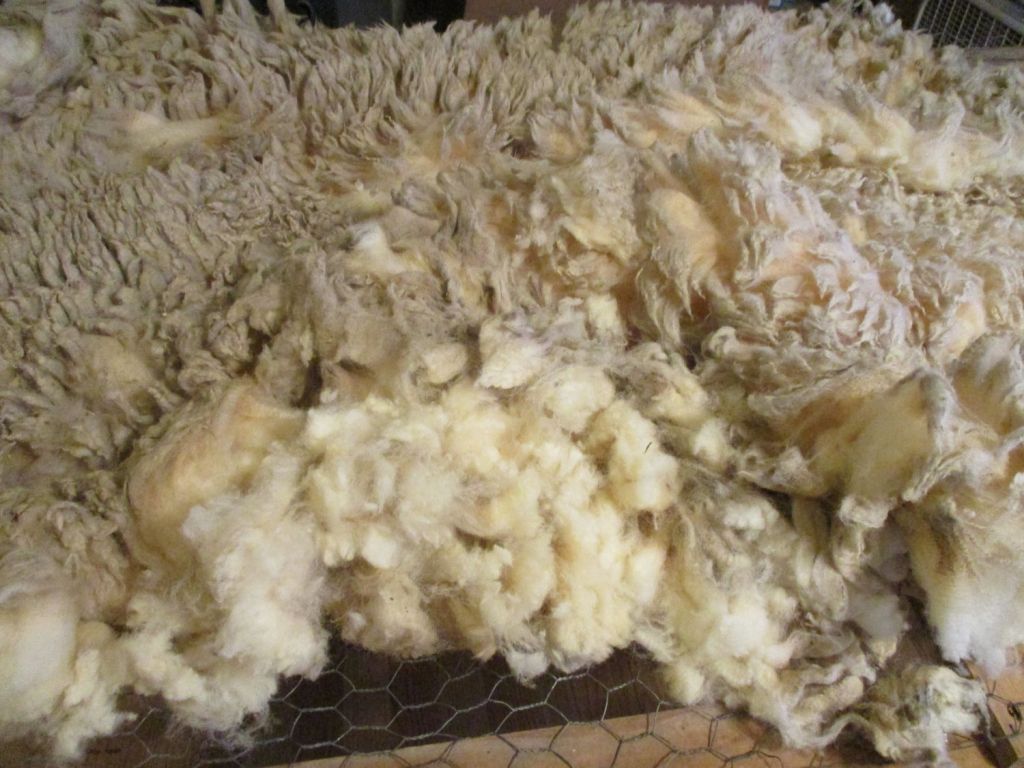
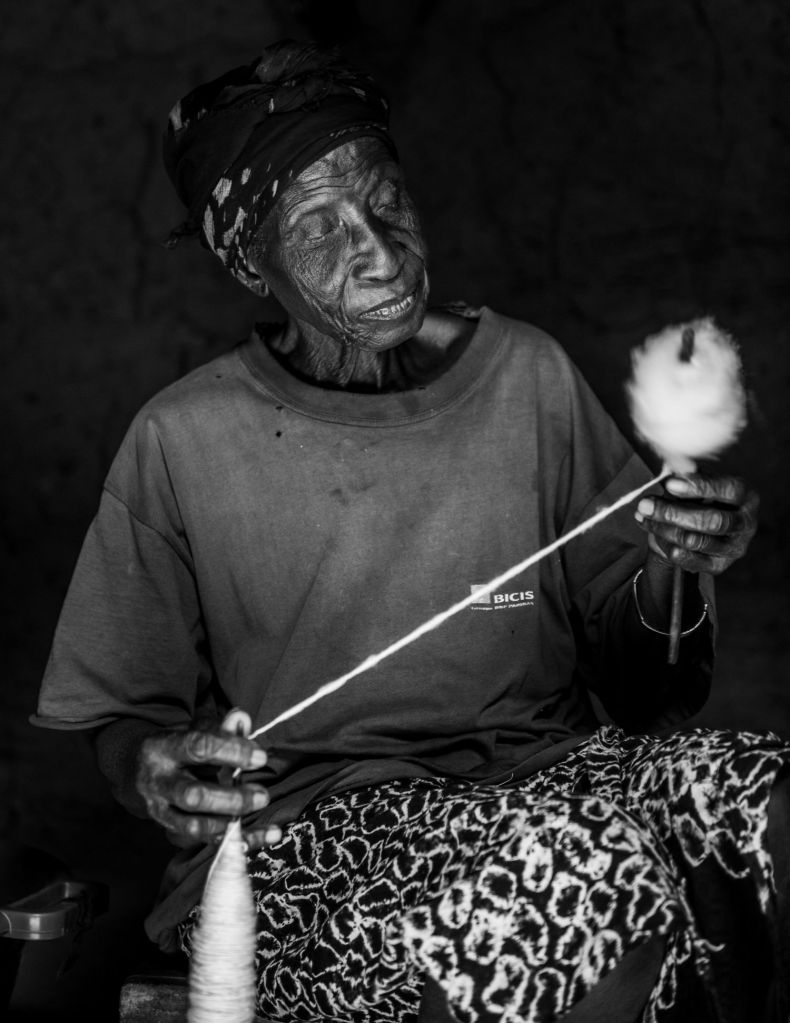
Sheep were not sheared in the beginning. People removed the fleece after the animal was killed for its meat. Years later, they began to raise the sheep. They took the wool while the sheep was alive. This provided a continuous supply of the fleece. Our ancestors made thread from wool by pulling and twisting the fleece by hand.
Starting To Spin
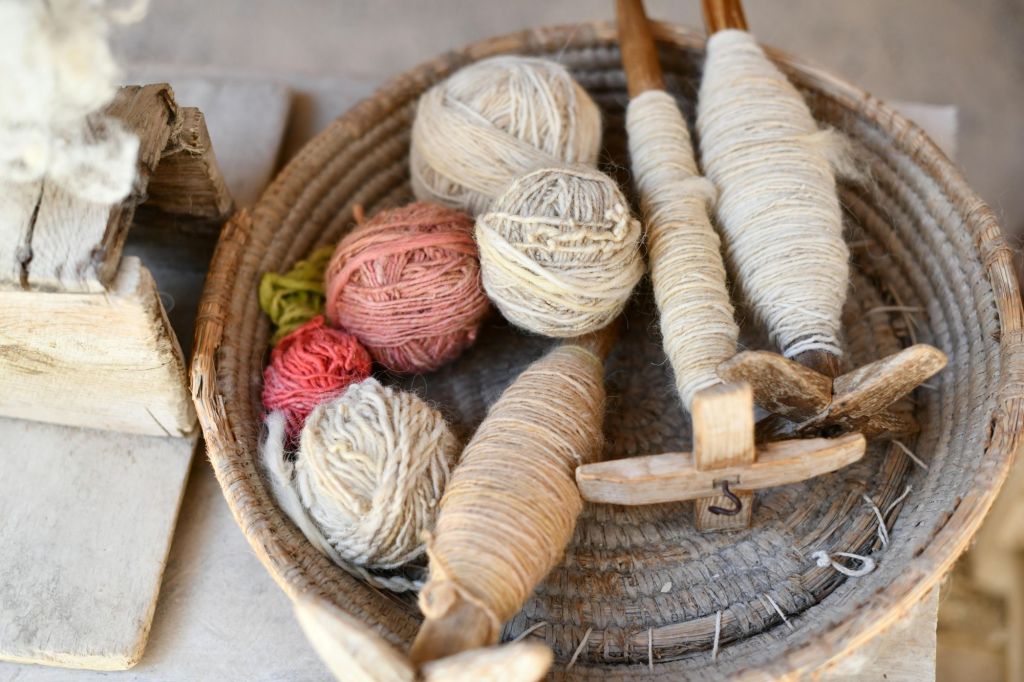
But around 8,000 years ago, people found a way to spin the wool. It was with a wooden dowel-type spindle we now know as a drop spindle. Later, in India, the spinning wheel was invented, making it easier and more profitable.

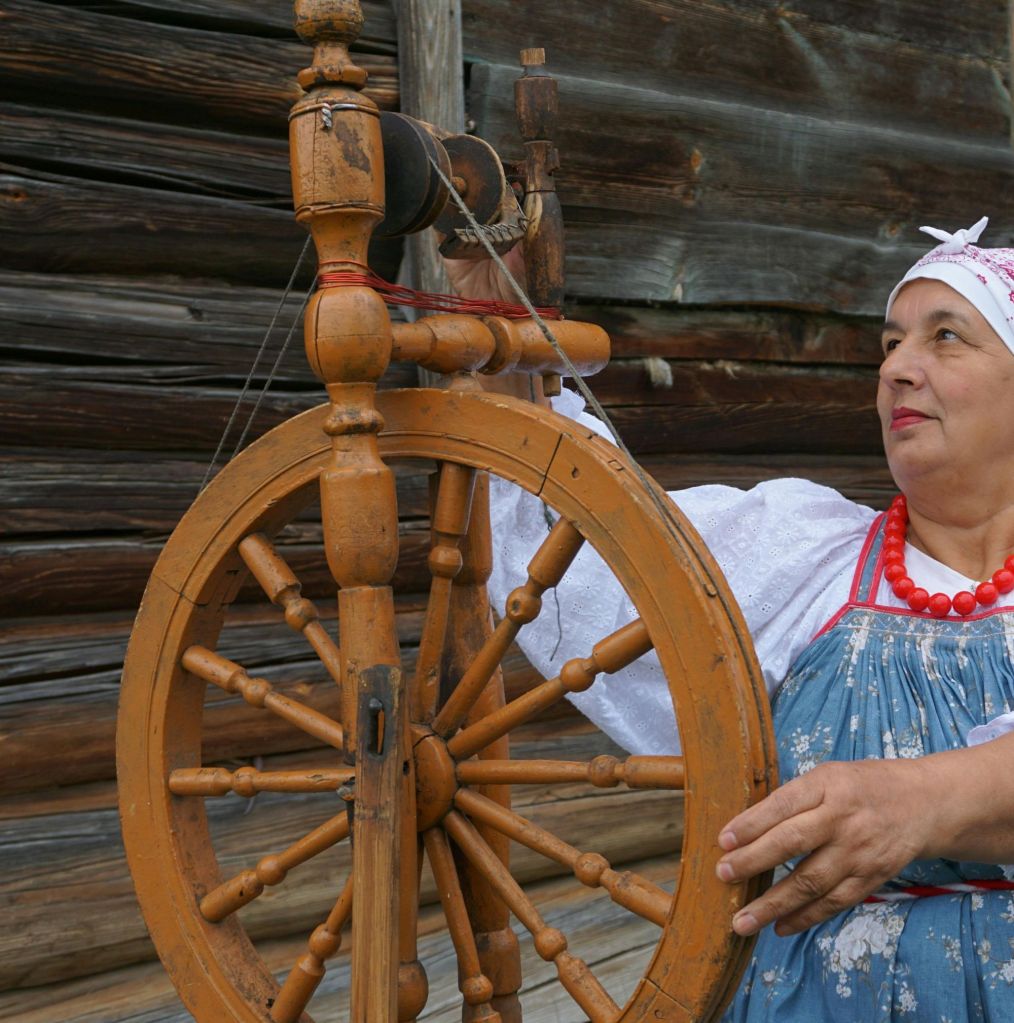
You have had a mini sheep history lesson. Now, we can look at some benefits of raising sheep for wool. We will also explore what to do with what they give.
Wool Is The Best
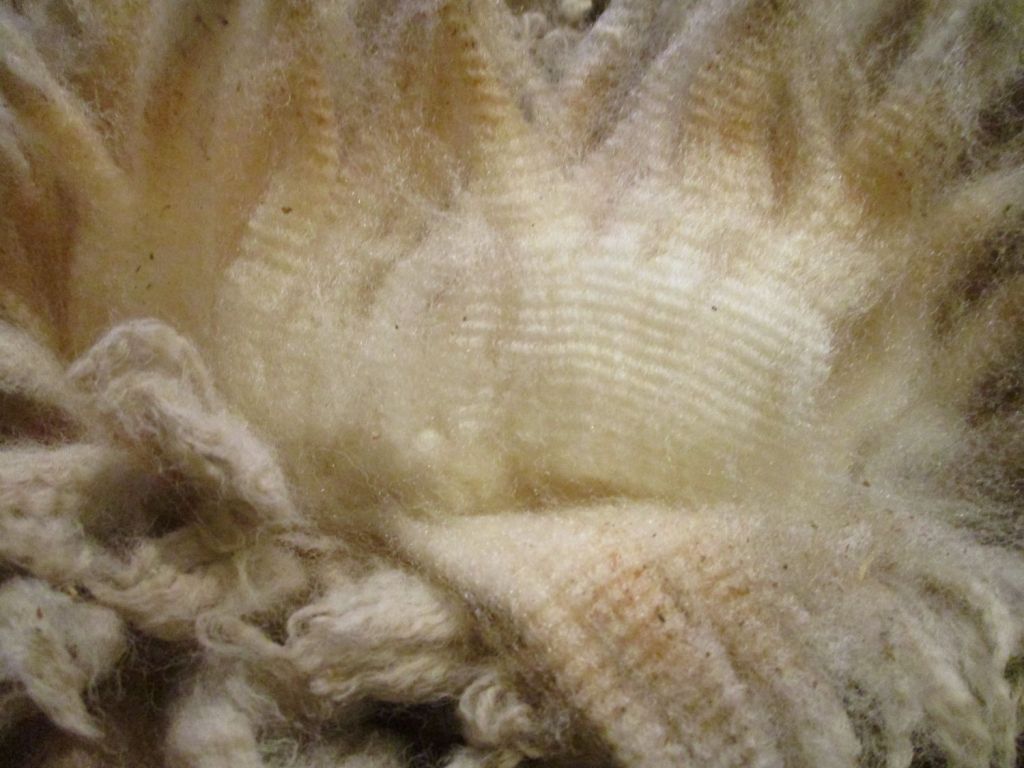
Wool is a natural protein fiber made from keratin. Just as our nails and hair are made up from. Wool also has a crimp to it, which is a natural waviness that gives it bulk and traps air. Crimp also makes it so the fleece will stick to other fibers during spinning.

You can see the crimp in this tuft where it looks like it has been curled.
The product of wool has a multitude of amazing benefits. First, it is water-resistant, and fire-resistant.
It has a high ignition temperature of 570 degrees Celsius or 1058 degrees Fahrenheit. It will usually burn out if exposed to a higher temperature for a short time. It is the most widely known fire-resistant natural fiber. Many
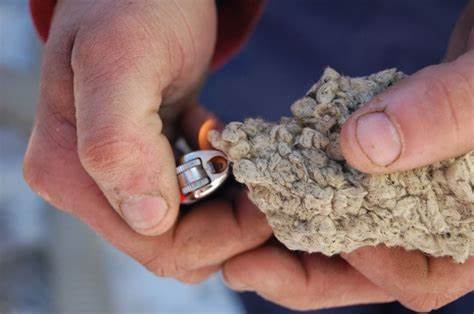
Knowing this, why would you wear anything else? It is also sustainable, giving you a constant supply to work with.
Why Wool
Wool will keep you warm in cold weather and cool in warm weather. If you’ve ever watched sheep, they behave differently than other animals. They will stay out in the snow and rain. They do this instead of going inside. This is due to their fleece and its natural ability to repel water. Lanolin in the wool makes the water just bead up and shake off. The same thing happens with spills on wool items. It also has built-in temperature control by having a pocket of air between the fibers next to your body. It is mold and mildew-resistant, non-toxic, and hypoallergenic.
Due to wool being a natural fiber, there is less likelihood of being allergic to it. Wool is biodegradable and durable, making it the perfect homestead product. Research is happening to find more benefits of the use of wool.
What Can You Do With Wool?
If you want something that will do anything and everything, wool is your product. You can wear it. You can walk on it and sit on it. You can hang it on the wall. You can even use it for insulation. Beekeepers use it to insulate their hives in the winter. I put it in my well-house walls where there are cracks. It is in bedding, agriculture, and soundproofing walls.
Wool’s unique wicking qualities and breathability make it a perfect product for the medical field. The medical field has discovered that wool can lessen the effects of eczema and atopic dermatitis. It achieves this by removing the moisture and letting the skin breathe. Wool’s ease of care, odor eliminator, and moisture wicking make a perfect fiber for nurse clothing.
Wool is incredibly versatile and durable. Researchers are working on combining seaweed with wool. This combination aims to produce a strong and eco-friendly brick.
Is there anything it can’t do?
Changing Times Change Materials
Unfortunately, the manufacturing and use of wool have diminished significantly since the discovery and use of synthetic materials.
Social changes in working attire have relaxed, reducing the need for woolen suits. Also, the need for warmer clothing in the workplace is less with heated buildings.

With the onslaught of homesteading and people wanting more natural products, more people are taking advantage of raising sheep. They want a more natural product and know they can supply it for themselves.
Next Up
You now have a little background on the history of wool. We can delve into the mystery of having sheep and transforming wool into a garment. The best way to start is at the beginning. Here are some suggestions.
- Research the different breeds and uses of their fleece.
- Buy the sheep that suit your level of experience. Choose the sheep for the fleece you want to use for your project.
- Find the breed best suited for your climate and terrain.
- Look at what you want from the sheep. Is it for meat and wool or just wool? Do you want to milk it?
- Do you want 1 or 2 or a large herd? They are herding animals and thrive better with more than one animal.
- Will it be an easy keeper, or will it need special attention?
- Is there a market for offspring, fleece, or wool products in your area?
- What size area do you have to keep the sheep?
These are all questions you will want to find the answers to. Send me a note below and tell me some of your experiences with sheep or wool. Let me know what questions you have and what you would like to read about. I’m here to help.
Please come back and read my next blog for more information. My future blogs will include processing the raw fleece into a usable product. I will introduce you to carding to ready your fleece for spinning and spinning. I will also share my experiences with knitting, crocheting, and weaving with my own home-built loom.
Read more: The Benefits of Raising Sheep for WoolHISTORY OF WOOL – International Wool Textile Organisation
History of Wool and its Impact on the World’s People – RaisingSheep.net
The Amazing Benefits of Wool: St. Peter Woolen Mill | St. Peter, MN
10 Uses for Wool Besides Spinning It
Let me know what you would like to know more information about.


 Rural Realities - For women about women